What Should You Prepare Before Hiring a Desentupidora em Sumaré SP?
The most common mistake I see when a drain emergency happens in Sumaré is people calling a company before they know what they are dealing with. They describe a “clogged sink” when the real problem is a backed-up sewage line, or they forget to mention that the same drain has been slow for weeks. That missing information turns a quick fix into a long, expensive visit. If you are searching for a desentupidora em Sumaré SP, the first step is not making the call — it is gathering the right details so the technician arrives prepared.
This article walks through the requirements and preparation that actually matter before a drain-cleaning team starts work. I have handled enough support tickets to know which details save time and which ones get lost in translation. Use this as a pre-service checklist, not a sales pitch.
What information should you have ready before the technician arrives?
Before you dial any number, write down four things: where the water backs up, when it started, what you have already tried, and whether the problem affects one fixture or several. A single slow shower drain points to a local hair or soap blockage. Multiple fixtures backing up at once usually means the main line is obstructed. That distinction changes the equipment the crew brings and the time the job takes.
Also note the property type. A house in a residential neighborhood of Sumaré has different access points than a commercial kitchen or a condominium with shared vertical stacks. When you contact a desentupidora Sumaré, mention whether the cleanout is inside the yard, in a utility closet, or under a slab. If you do not know where the cleanout is, say so — a good technician will locate it, but knowing in advance saves twenty minutes of searching.
Finally, check your water supply. If the backup happens only when you run the washing machine or flush a specific toilet, tell the dispatcher. Patterns are more useful than descriptions. “It gurgles after the dishwasher runs” tells the technician more than “it smells bad.”
What access and safety conditions must be in place before work begins?
Drain cleaning is physical work, and the crew needs a clear path to the affected area. Move furniture, rugs, and stored items away from the cleanout, floor drain, or inspection cover. If the problem is in a kitchen, clear the cabinet under the sink. If it is a bathroom floor drain, remove mats and any items blocking the door. A technician should not have to rearrange your home before starting the job.
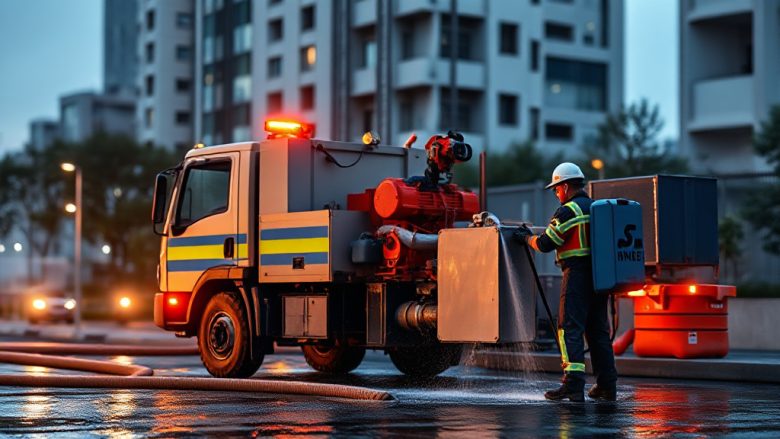
Safety matters just as much. Keep children and pets away from the work zone, especially when hydrojetting equipment is in use. The high-pressure water can splash debris, and the hoses are heavy. If the backup involves sewage, wear gloves and avoid contact with the water. Let the crew know about any recent illness in the household, any chemical drain cleaners you have poured down the drain, and any known pipe material — PVC, cast iron, or galvanized steel. Chemical drain cleaners can react badly with professional equipment, so disclose them even if you used them days ago.
Also confirm parking access. A hydrojetting truck or a van with a large hose reel needs space near the property. In dense parts of Sumaré, that may mean reserving a spot or opening a gate. If your building has a doorman or a condominium manager, notify them in advance so the team is not stuck at the entrance while the problem gets worse.
How does the actual drain-cleaning procedure work once the crew is on site?
The procedure usually begins with an inspection. The technician will ask you to run water, flush toilets, or describe the symptoms again while they watch the backup point. They may use a camera to look inside the pipe if the blockage is recurring or if the layout is unclear. This step is not optional — diagnosis before action prevents damage to pipes and avoids unnecessary excavation.
Next comes the clearing method. For simple blockages, a manual auger or a motorized drain snake is often enough. For grease, roots, or scale buildup, hydrojetting is the standard approach: a high-pressure water jet scours the pipe walls and flushes debris away. If the problem is in the main sewage line, the crew may need to access a cleanout outside the house. For septic tank issues, the service shifts to pumping and cleaning rather than pipe clearing. Each method has a different time frame and equipment requirement, which is why the details you provided earlier matter.
After clearing, the technician should test the flow. They will run water through the fixture and watch for slow drainage or new backups. If the problem persists, they may repeat the process or recommend a camera inspection to find a collapsed pipe, a root intrusion, or a misaligned joint. A reputable desentupidora Sumaré SP will explain what they found and what they did, not just hand you a bill.
What equipment should a professional team bring?
A professional crew typically arrives with a drain snake, a hydrojetting unit, a camera inspection tool, and protective gear. For sewage backups, they may also bring a pump and disinfectant. If the company shows up with only a plunger and a hand auger, that is a red flag for anything beyond a simple sink clog. Ask what equipment they plan to use before they start, especially if the problem has recurred.
How long does the job usually take?
A single fixture clog might take thirty to sixty minutes. A main line blockage can take two to four hours, depending on access and the severity of the obstruction. Septic tank cleaning is a separate service with its own schedule. If the technician quotes a time frame that seems too short for the symptoms you described, ask for clarification. Rushed jobs often leave debris behind, and the clog returns within days.
What should you check after the service is finished?
Before the crew leaves, run water through every fixture that was affected. Check for slow drainage, gurgling sounds, and leaks around the cleanout or floor drain. If the technician used a camera, ask to see the footage or at least a summary of what it showed. A clear pipe should drain quickly and without noise. If anything still feels off, say so immediately — it is much easier to fix while the equipment is still on site.
Ask for a written report or service note. It should include the date, the method used, the location of the blockage, and any recommendations for prevention. If the problem was caused by tree roots, grease buildup, or a damaged pipe, the report should say so. This document matters if you need to file an insurance claim or if the same issue returns and you need to prove it was not resolved properly.
Finally, confirm the cleanup. The work area should be left dry and sanitary, especially after a sewage backup. If the crew used a hydrojetting unit, check that hoses did not leave mud or water in your yard or hallway. A professional service includes basic cleanup, not just the repair.
Which red flags suggest you should choose a different provider?
Watch for technicians who quote a price before seeing the problem, who refuse to explain the method they will use, or who pressure you to approve additional services on the spot. Drain cleaning is not a one-size-fits-all job, and a legitimate provider will ask questions before quoting. Also be wary of anyone who cannot provide a business address or a landline. In Sumaré, local companies should be able to tell you where they are based and how long they have operated in the region.
Another red flag is a lack of safety equipment. If the technician arrives without gloves, eye protection, or proper hoses, the job may be handled carelessly. And if the company asks for full payment upfront before any work begins, that is unusual for a standard drain-cleaning service. Payment should follow a clear explanation of the scope and cost.
Finally, trust your instincts about communication. If the dispatcher cannot answer basic questions about equipment or availability, the on-site team is unlikely to be better prepared. A short, clear conversation before booking saves you from a long, frustrating visit.